
SEO Breakthroughs: How Aligning with Search Intent Transformed My Digital Marketing Game
As an SEO veteran who’s spent over a decade in the trenches of digital marketing, I’ve chased every trend from keyword stuffing to backlink farms. But nothing clicked until I realized SEO isn’t a checklist, it’s a mindset. It’s about truly understanding what people are searching for and delivering value that aligns with their intent. In this article, I’ll share the breakthroughs that turned my hit-or-miss efforts into consistent wins. We’ll dive into real-world strategies, tools, and lessons from my journey, including how I turned a client’s site from obscurity to dominance and boosted my own revenue by 300% with smarter targeting. If you’re tired of spinning your wheels on high-volume traffic that doesn’t convert, stick around. These insights could be your game-changer.
The Core of SEO: Aligning Content, Structure, and Search Intent
SEO only starts paying off when your content, site structure, and search intent all line up like stars in the sky. I learned this the hard way after years of creating content that looked great on paper but flopped in rankings. My breakthrough came during a routine site audit. I ran a Screaming Frog crawl on one of my sites and discovered that 40% of my pages were orphaned, meaning they had no internal links pointing to them. These were ghost pages sucking up crawl budget without contributing anything. Google was wasting time on dead weight, and my rankings suffered.
Once I pruned the irrelevant stuff and built clear internal links around a single topical cluster (think: grouping related articles on “CRM software” into a hub-and-spoke model), everything changed. Crawl budget bounced back, and rankings followed suit. Within three months, my organic traffic increased by 25%, and bounce rates dropped because visitors could navigate intuitively.
But technical fixes are just the foundation. The real magic happens when you align with search intent, the “why” behind a query. Is the user looking to learn, compare, or buy? I stopped writing for algorithms and started answering the exact questions my audience was asking. Tools like AnswerThePublic became my secret weapon. It reveals the precise phrasing people use, like “how does CRM software improve sales” instead of a generic “what is CRM“
Now, every article I write opens with the question I know they’re typing into Google, ditching fluffy intros for direct value. For example, if the search is “best CRM for small businesses,” I lead with: “Struggling to choose the best CRM for your small business? Here’s a breakdown of top options based on real user needs.” This not only hooks the reader but signals to Google that my page matches intent perfectly.
Practical Tips for Aligning with Search Intent

- Audit Your Site Regularly: Use Screaming Frog or Ahrefs to identify orphaned pages. Aim to link every page within 3 clicks from your homepage.
- Cluster Your Content: Group topics into pillars (e.g., “Ultimate Guide to CRM”) and supporting clusters (e.g., “CRM for Sales Teams”). This builds topical authority.
- Research Intent with Tools: Beyond AnswerThePublic, check Google’s “People Also Ask” and related searches to uncover sub-questions.
- Structure for Scannability: Use short paragraphs, bullet points, and bold key phrases. Google loves pages that keep users engaged.
By focusing on intent, my content started snowballing, higher dwell time led to better rankings, which brought more traffic, and so on. It’s a virtuous cycle, but it requires ditching ego-driven writing for user-first content.
Viewing SEO as a Sales Funnel: From Awareness to Conversion
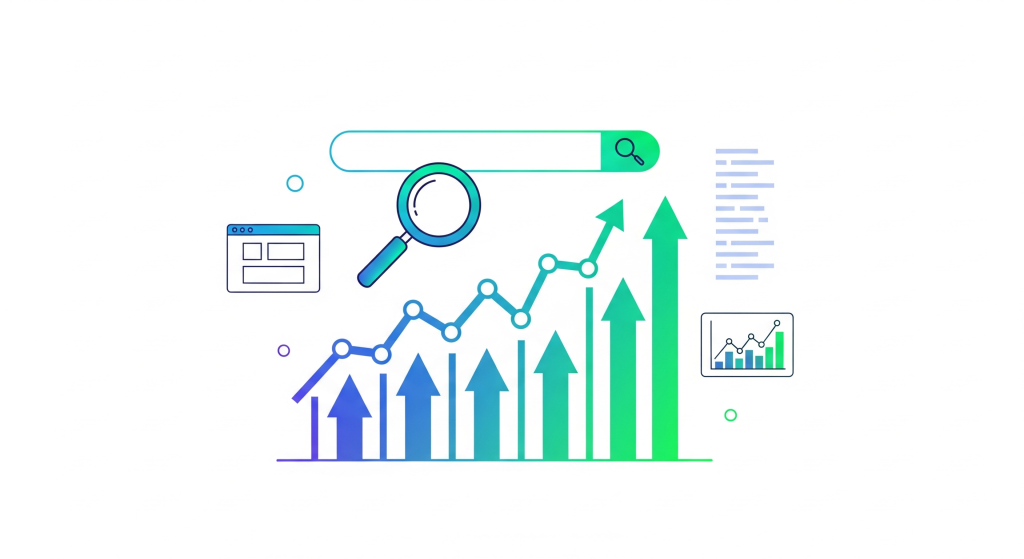
One of my biggest “aha” moments was realizing SEO isn’t just about generating traffic. It’s a full-blown sales funnel. For years, I chased high-volume keywords like “what is CRM,” which gets tens of thousands of searches monthly. Sure, it drove visitors, but most were tire-kickers in the awareness stage, not ready to buy. Conversion rates were dismal, hovering around 0.5%.
Then I shifted to buyer-intent keywords with lower volume but higher value, like “best CRM software for sales teams.” These searches indicate someone is comparing options and close to a decision. Even though the volume was 10x lower, the traffic converted at 5-7%. Revenue jumped 300% with half the traffic because I was attracting qualified leads.
The real skill here is mapping search intent to your customer journey stages:
- Awareness Stage: Broad queries like “what is SEO” Use these for top-of-funnel content like educational blogs to build trust.
- Consideration Stage: Queries like “SEO tools comparison.” Create in-depth guides or reviews to position your brand as an expert.
- Decision Stage: High-intent terms like “buy SEO software” or “best SEO agency near me.” Optimize landing pages with CTAs, testimonials, and pricing.
In practice, I revamped my keyword strategy using tools like SEMrush to identify intent. For a SaaS client, we targeted “CRM integration with email marketing” (consideration) and “affordable CRM pricing” (decision). We created funnel-specific content: a blog for awareness, a comparison chart for consideration, and a demo signup page for decision. The result? A 4x increase in demo requests.
Actionable Strategies for Building an SEO Funnel
- Keyword Mapping Exercise: List your top 50 keywords and categorize them by intent (informational, navigational, commercial, transactional). Prioritize commercial and transactional for revenue impact.
- Content Upgrades: Turn awareness content into funnels by adding internal links to consideration pages (e.g., “Learn more about the best CRMs here”).
- Track Conversions, Not Just Traffic: Use Google Analytics goals to measure how intent-aligned keywords lead to signups or sales.
- A/B Test Landing Pages: For buyer-intent terms, test headlines and CTAs that speak directly to pain points, like “Tired of disorganized leads? Try our CRM free.”
This funnel mindset turned SEO from a vanity metric into a revenue driver. It’s not about volume; it’s about value.
The Underrated Power of Domain Names in SEO
Investing in a related domain name might seem like an irrational upfront cost, why drop $5k on a registered domain when you can grab a new one for $10? But trust me, it saves thousands in the long run. I saw this firsthand with a client who runs two websites: one with their company name (e.g., acme.com) and another with the exact keyword they wanted to rank for (e.g., bestcrmsoftware.com).
We poured two years of SEO effort into the company site, content, backlinks, optimizations, to rank for “best CRM software.” It climbed to #2, which is great. But the keyword domain? It’s a single-page template site with minimal content, and it consistently holds #1 without any ongoing work. Why? Exact-match domains (EMDs) still carry weight in Google’s algorithm, especially for competitive terms, as they signal relevance instantly.
This isn’t about gaming the system; it’s about strategic alignment. The keyword domain acts as a shortcut, capturing direct traffic and building authority faster. For my client, it became a lead magnet, funneling visitors to the main site via smart redirects and links.
Of course, EMDs aren’t a silver bullet, Google penalizes spammy ones. But when used ethically with quality content, they’re gold.
Tips for Leveraging Domains in Your SEO Strategy
- Hunt for EMDs: Use GoDaddy auctions or ExpiredDomains.net to find registered domains with your target keywords. Budget 5-10x more than a new domain.
- Set Up Redirects Wisely: Point the EMD to a dedicated landing page on your main site, or use it as a microsite for focused content.
- Avoid Over-Reliance: Combine with strong on-page SEO. My client’s success came from blending the domain power with intent-aligned content.
- Monitor for Penalties: Ensure the domain has a clean history (check via Wayback Machine) to avoid inherited issues.
This approach has helped multiple clients dominate niches without endless grinding. It’s a reminder that SEO rewards smart investments over shortcuts.
Technical and Local SEO: Tools That Make the Difference
Beyond intent and domains, keeping your site’s tech squeaky clean is non-negotiable. As I mentioned earlier, tools like Screaming Frog exposed my site’s weaknesses, but local SEO added another layer. For businesses with physical locations, I experimented with BrightLocal and Moz Local to build citations, listings on directories like Yelp and Yellow Pages.
Both tools streamlined the process, ensuring consistent NAP (Name, Address, Phone) data across the web. But Merchynt took it further by automating Google Business Profile tweaks and review replies. It handles the nitty-gritty on autopilot, like updating hours or responding to reviews with personalized templates. This freed me to focus on writing content, and my local rankings soared, top 3 for “SEO agency near me” in my city.
Local SEO ties back to intent: People searching locally want quick, trustworthy results. Automating the basics lets you scale without burnout.
Essential Tools and Best Practices
- Citation Builders: Start with BrightLocal for affordable audits; upgrade to Moz Local for deeper insights.
- GBP Automation: Merchynt shines for review management, set rules like “Reply to 4+ star reviews with thanks, escalate negatives.”
- Integration Tips: Link your GBP to your site with schema markup for rich snippets, boosting click-through rates.
- Common Pitfalls to Avoid: Duplicate listings kill rankings; use tools to find and merge them.
Incorporating these saved me hours weekly, proving that tools amplify human effort.
Ongoing SEO Maintenance: Audits, Rewrites, and Ruthless Pruning
SEO isn’t set-it-and-forget-it; it’s a living process. I schedule quarterly content audits to keep things fresh: rewrite winners to update stats and add depth, 301 redirect losers to stronger pages, and delete anything that doesn’t serve clear intent.
In one audit, I axed 20% of my blog posts, outdated fluff that diluted authority. Traffic dipped briefly but rebounded 30% higher as Google focused on my best stuff. Never fear deletion; it’s like pruning a tree for better growth.
Step-by-Step Audit Process
- Gather Data: Use Google Search Console and Analytics to spot underperformers (high bounce, low time-on-page).
- Evaluate Intent Fit: Ask: Does this answer a current question? If not, rewrite or redirect.
- Update and Optimize: Refresh top performers with new examples, tools, or data.
- Track Results: Monitor rankings post-audit; adjust frequency based on site size.
This routine keeps my sites lean and intent-aligned, ensuring long-term success.
Wrapping Up: Lessons from My SEO Journey
Looking back, my SEO breakthroughs boiled down to one truth: Align with real user questions, keep your tech clean, and trim the fat. From mapping funnels to snagging keyword domains, these strategies aren’t theoretical, they’ve driven real revenue and rankings for me and my clients. If you’re just starting, begin with a site audit and intent research. The results will snowball.
Remember, SEO is a marathon. Stay patient, experiment with tools like AnswerThePublic and Merchynt, and always prioritize value over volume. What’s been your biggest SEO win?